An honest look at funding your holiday home in Snowdonia: costs, risks, and reality.
IMPORTANT: This guide provides general information, not personal financial advice. Salop Caravan Sites (and Min Y Don Holiday Park) acts as a credit broker, not a lender. We can introduce you to a limited number of lenders who may be able to assist you with your purchase. Finance is subject to status, affordability checks, and lender terms. If you are considering a remortgage or secured borrowing, we strongly recommend speaking to an independent financial adviser.
Key Facts: Static Caravan Finance at a Glance
If you only read one section, make it this one.
| Question |
Short Answer |
| Can I get finance? |
Yes. Most buyers use Hire Purchase (HP) or personal loans. |
| Is it a mortgage? |
No. It is a credit agreement, similar to buying a car. |
| What is the typical deposit? |
Usually 10% to 20% of the purchase price. |
| Can I rent it out to pay the loan? |
No – not safely. Lenders base affordability on personal income, not rental income. |
| Does credit score matter? |
Yes. Lenders check your history and perform a hard credit search. |
| Do I own it instantly? |
With a Personal Loan, yes. With HP, only after the final payment. |
| What is the Golden Rule? |
Never take a finance term that outlasts the park licence. |
| Can I live in it full-time? |
No. It’s a holiday home. You must have a separate main residence. |
What This Guide Covers
- Options: HP vs personal loans.
- Myth: Why rent-to-buy fails.
- Licence gap: Matching term to park licence.
- Budget: Testing what you can truly afford.
- Eligibility: Who lenders say yes to.
- Exit: Selling, upgrading and getting out.
Static Caravan Finance in 2026: A Complete Guide
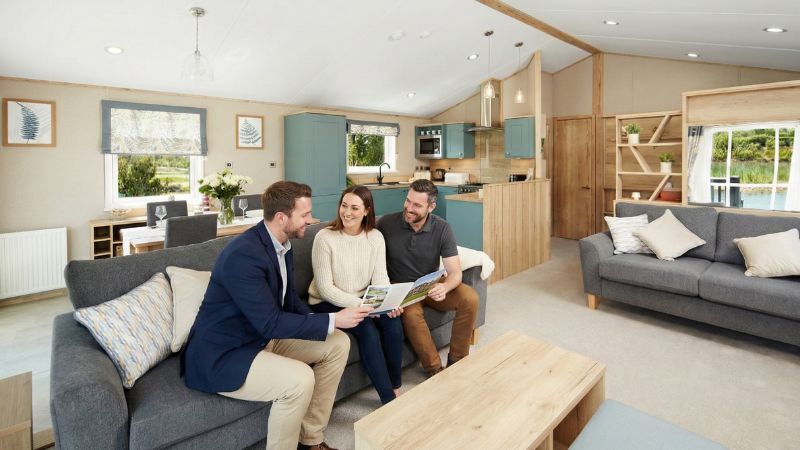
Buying a holiday home is a significant financial commitment. At Min Y Don Holiday Park, we see many first-time buyers who fall in love with beautiful Wales and want to make this their second home.
While some buyers use savings, many choose to spread the cost. In 2026, finance options are flexible, but the days of "easy credit" are gone. Lenders now focus heavily on affordability and responsible lending.
Who this guide is for
This guide is for first-time buyers. You might be looking at a pre-owned starter caravan for £35,000 or a luxury lodge for £150,000. If you don't have the full amount in cash, this guide explains your options, the risks, and the terminology.

1. What Is Static Caravan Finance?
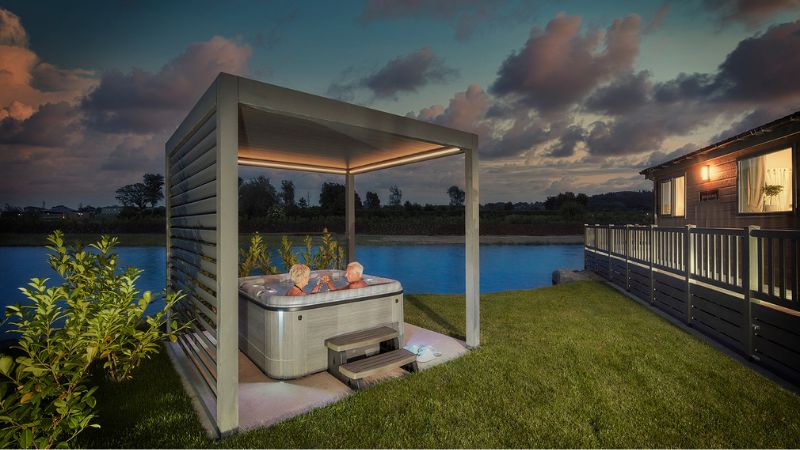
Static caravan finance is a way to borrow money to purchase a holiday home. It works similarly to car finance. You pay a deposit upfront and repay the rest plus interest over a fixed period.
Static caravans vs holiday lodges
The mechanics are the same, but the terms often differ. Because lodges (built to BS3632 residential spec) hold their value longer, lenders may offer repayment terms up to 10 or even 15 years, whereas standard static caravans are typically capped at 7–10 years depending on the age of the unit.
Who actually provides the finance?
Holiday parks rarely lend their own money. At Salop Caravan Sites, we act as a credit broker.
- Park Finance Partners: We partner with specialist, regulated lenders (such as Black Horse) who understand the leisure market. We handle the paperwork, but your contract is with the lender.
- Personal Loans: You can go directly to your own bank (e.g., Tesco, Sainsbury’s, Lloyds) for a personal loan. The park is not involved in this transaction.
2. Which Option is Right For Me? (Comparison Table)
There is no "best" option, only the right option for your circumstances.
| Feature |
Hire Purchase (HP) via Park |
Personal Loan (Bank) |
Secured Loan (Remortgage) |
| Best For... |
Buyers who want the park to handle the admin and secure a fixed rate. |
Buyers with excellent credit who want full flexibility. |
High-value lodge buyers needing large sums/long terms. |
| Ownership |
You own it only after the final payment. |
You own it immediately. |
You own it immediately. |
| Secured Against |
The caravan (risk of repossession). |
Your credit rating. |
Your main home (high risk). |
| Typical Term |
1–10 years. |
1–7 years. |
5–25 years. |
| Pros |
High acceptance rates; specialist understanding of caravans. |
You can sell the caravan anytime without settling finance first. |
Lower interest rates; longer terms for expensive units. |
| Cons |
Cannot sell the unit without clearing the debt first. |
Loan limits often capped (e.g. £25k–£35k). |
Risk to your home if you default. Advice essential. |
3. The "Licence Gap": A Crucial Warning
This is the most important section in this guide.
Every holiday home comes with a Licence Agreement—the length of time the park allows that specific unit to remain on site (e.g., 15 or 20 years from new).
The Golden Rule: Never take a finance term that outlasts your ownership plan or the park licence.

Example of a Bad Match:
- You buy a used caravan that has 6 years left on its park licence.
- You take out finance over 10 years to keep monthly payments low.
- The Result: In Year 6, the caravan must leave the park, but you still have 4 years of debt left to pay on it.
At Min Y Don, we will help you check the licence length of any unit you look at to ensure your finance term is logical.
Lenders will also look at the age of the caravan or lodge and how long is left on its park licence – finance is unlikely to be available if the unit will be very old or near the end of its licence before the end of the loan term.
4. Affordability: The "Rent-to-Buy" Myth
A common question we hear is: "Can I rent out the caravan to pay for the finance?"
The answer is No – not safely.
Lender Rules: Regulated lenders look at your guaranteed personal income (salary/pension). They will not include projected, unguaranteed holiday rental income in their affordability checks.
Park Rules (Min Y Don & Salop Caravan parks): Min Y Don is an owner-only park, and subletting is not permitted.
Across Salop Caravan Sites, our parks are designed for peaceful, private ownership rather than short-stay holiday lets.
Your finance and site fees must be affordable from your own income.
If you ever consider a park that does allow subletting: Treat any rental income as a bonus, not the way you make the numbers work.
Bookings can rise and fall with the weather, economy and competition.
The Stress Test: Before you sign, ask yourself:
"If I had zero rental bookings this year, could I still comfortably pay the finance and site fees from my salary?"
If the answer is no, you should pause.
5. Eligibility Checklist: Will I Be Accepted?
While we cannot guarantee acceptance, successful applicants typically meet these criteria:
- Age: 18+ (some lenders require 21+).
- Residency: UK resident for at least 3 years.
- Income: A steady source of income (salary, self-employed profits, or pension).
- Credit: A fair-to-good credit history with no recent defaults or CCJs.
- Status: Joint applications (partners/spouses) are welcomed and often help demonstrate affordability.
Note for Self-Employed: Lenders typically ask for your last 2 years of accounts or tax returns (SA302s) to prove steady income.
6. The Buying Journey & "Real Cost" Budgeting

Step 1: The "Real Cost" Budget
Don't just look at the monthly finance repayment. You need to budget for the total cost of ownership in Snowdonia. In Harlech, costs typically include:
- Finance Repayment: (e.g., £300–£500/month)
- Site Fees: The rent for your pitch. Our fees start from £5,612.50.
- Running Costs: Insurance, gas, electric, and winter drain-down services.
Step 2: Shortlist Parks & Units
Visit the park. A finance quote is meaningless until you know the "Total Cash Price" of the unit you want. At Min Y Don, we display clear prices so you can calculate your deposit (typically 10–20%).
Step 3: The Quote & "Soft Check"
Ask us for a quote. We can often perform a "soft search" eligibility check which gives you an indication of acceptance without damaging your credit score.
7. Exit Strategies: Selling & Upgrading
It is important to understand how you "get out" before you "get in."
- Selling on Park: Most owners sell their unit through the park. We help market the home to new buyers. A commission (plus VAT) is payable to the park upon sale.
- Clearing Finance: If you sell, the finance must be settled immediately. If your caravan is worth less than the finance balance (negative equity), you will need to pay the difference in cash to clear the debt.
- Upgrading: Many owners use their current holiday home as a part-exchange for a newer model. We can work with lenders to settle the old agreement and start a new one for the new unit.
8. Risks & "Who This Is NOT For"
Responsible lending means being honest about when you should pause. Finance may not be right for you if:
- You rely on overtime/bonuses: If your basic salary doesn't cover the payments, it's a risk.
- You are planning a major life change: (e.g., retiring or moving house in the next 12 months) which might drop your income or increase your costs.
- You are already struggling: If you are finding it hard to pay existing bills, a holiday home should wait.
What if life changes?
If you lose your job, separate from a partner or your circumstances change, contact your lender immediately. Ignoring the problem only makes it worse.
Many regulated Hire Purchase agreements include voluntary termination rights, which may allow you to end the agreement early once you have paid around 50% of the total amount payable (including deposit and fees). The exact rules, figures and conditions will be set out in your credit agreement, so it’s important to read this carefully and speak to the lender if you’re unsure.
Most regulated credit agreements also include a short cooling-off period (usually around 14 days) after signing, during which you can change your mind. Your lender’s documentation will confirm the exact terms.
Be cautious of any company advertising “guaranteed finance” or very high-cost credit for bad credit – these options are often expensive and may not be regulated in the same way as mainstream lenders.
Conclusion: Confident Ownership
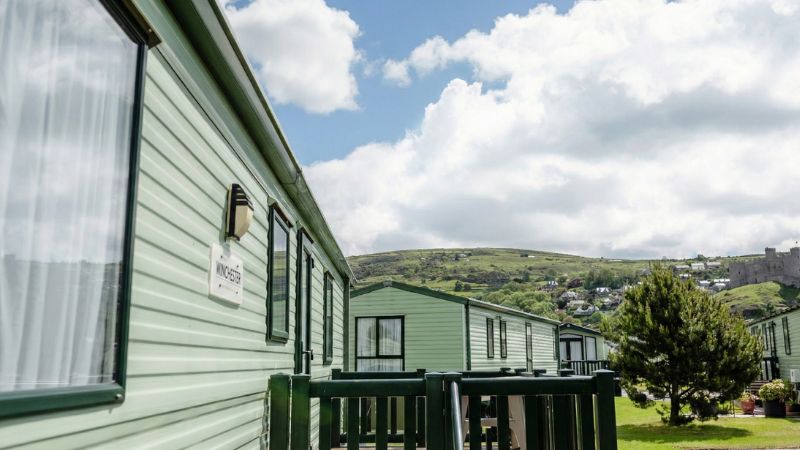
Financing a static caravan is a practical tool for many buyers. It allows you to buy the standard of holiday home you want—perhaps a warmer unit with double glazing—without draining your cash reserves.
However, it must be affordable—not just today, but for the full term of the loan.
Your Next Steps
- Check your credit file (use free apps like ClearScore or Experian).
- Calculate your total budget (Finance + Site Fees + Insurance).
- Ask for a quote from us before you fall in love with a specific unit.
FAQs
Can I live in my holiday home full-time?
No. Min Y Don is a holiday park, not a residential park. You must have a separate main residence.
Can I sublet or Airbnb my caravan at Min Y Don?
No. Min Y Don is an owner-only park and subletting is not permitted. The park is designed for a peaceful, owner community rather than short-stay holiday lets.
Will applying for finance affect my credit score?
A full finance application will normally include a hard credit search, which appears on your credit file. Making payments on time can help your profile; missed or late payments will harm it.
Can I pay off the finance early?
Many agreements allow early settlement. You’ll usually pay the remaining balance plus an adjustment to the interest. The exact terms and any fees will be set out in your credit agreement.
What happens if my circumstances change and I’m struggling to pay?
Contact your lender immediately – ignoring the problem makes it worse. Some regulated Hire Purchase agreements include options such as voluntary termination, but the rules, figures and conditions are specific to your agreement, so always check the paperwork and speak to the lender.
Can I still get finance if I’m self-employed or retired?
Possibly, yes – it’s always subject to status and affordability. Lenders will usually look at proven income, such as accounts, tax returns or pension statements, and your overall ability to afford the payments.
Can I get finance if I’ve had credit problems in the past?
Some lenders may consider applicants with historic issues, but recent defaults or CCJs will make acceptance harder. Decisions are always case by case and based on your current credit profile and affordability.
Ready to discuss your options?
At Salop Caravan Sites, we believe in clarity. We will walk you through the costs, the licence lengths, and the finance options without the pressure.

Why Choose Min Y Don?
Located beneath the World Heritage walls of Harlech Castle, Min Y Don offers a rare mix of coastal beauty and mountain views.
- Castle & Coast: Walk to Harlech Beach in minutes, with views across to Snowdonia.
- Owners-Only Statics: No subletting on owned units (touring, short stays, and seasonal pitches available separately).
- World-Class Golf: Directly opposite Royal St David's Golf Club.
- Long Season: Enjoy your holiday home from 1st March to 2nd January.
- Facilities: Gymnasium, children's play area, dog walking area with wash, free Wi-Fi.
- Peace of Mind: We offer full winter drain-down services to protect your warranty.
Disclaimer: This guide is for general information only and reflects typical industry practice as of 2025/2026. While we aim for accuracy, we make no representations or warranties about the completeness, accuracy, or reliability of the information provided, and we accept no liability for any errors or omissions. Costs, policies, licence terms, and facilities vary between parks and manufacturers and may change without notice. Any reliance you place on this information is at your own risk — always confirm details directly with the park manager before making any purchase decision. This content does not constitute financial, legal, or professional advice. If you need specific guidance, please consult a qualified professional.